Safety, routine, and rest
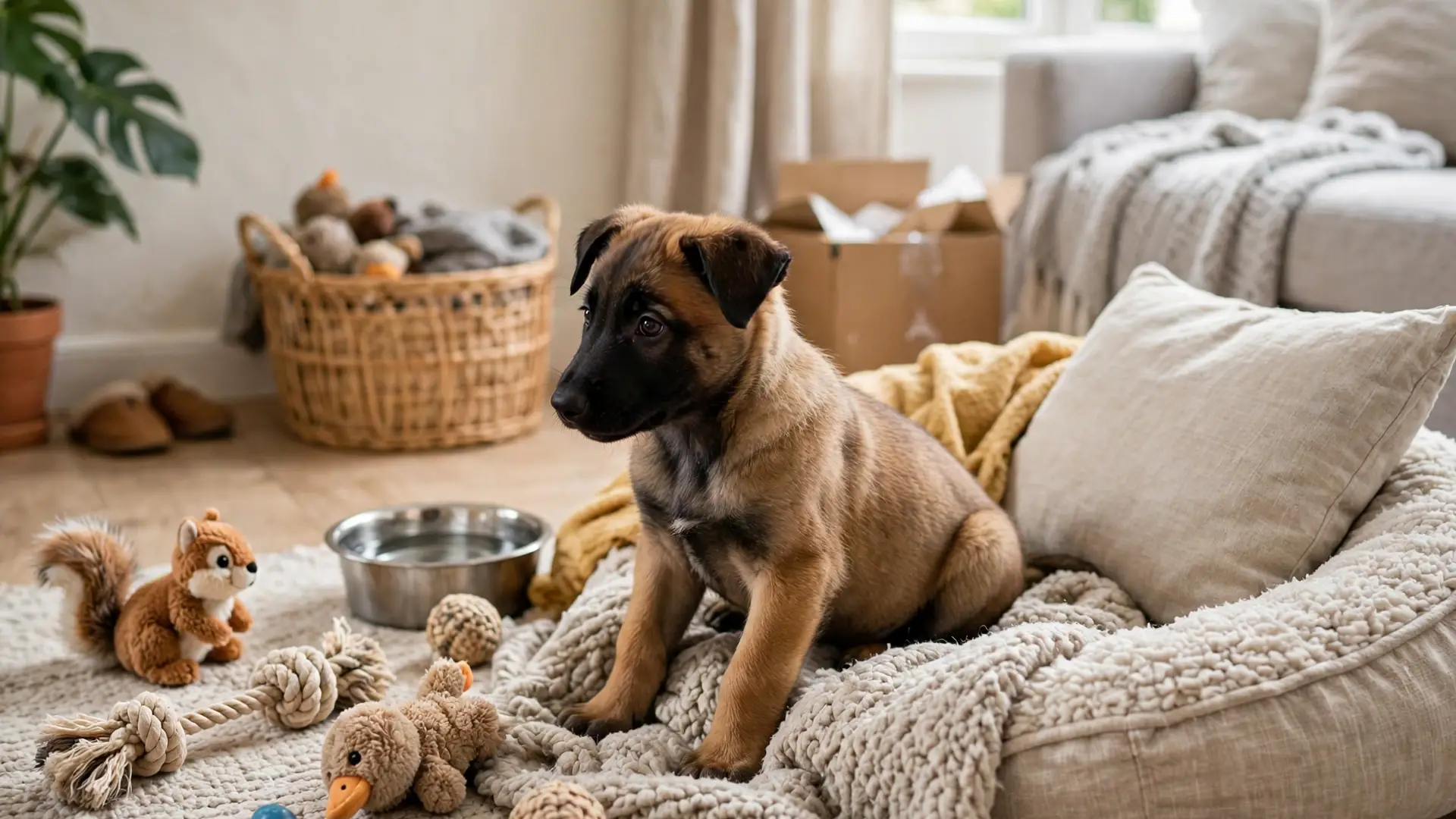
The first week should focus on safety, predictable routines, and rest rather than meeting everyone at once. Prepare a quiet sleeping area, block unsafe spaces, secure cables and household products, and place water where your puppy can reach it. Keep food consistent with what the puppy previously ate unless your veterinarian recommends a change.
Sleep and confidence
Young puppies need substantial sleep. Overtired puppies may become mouthy, restless, or unable to settle. Provide regular quiet periods and prevent visitors from disturbing a sleeping puppy. A crate or pen can be useful when introduced positively, but it should never be used as punishment.
Toilet break routine
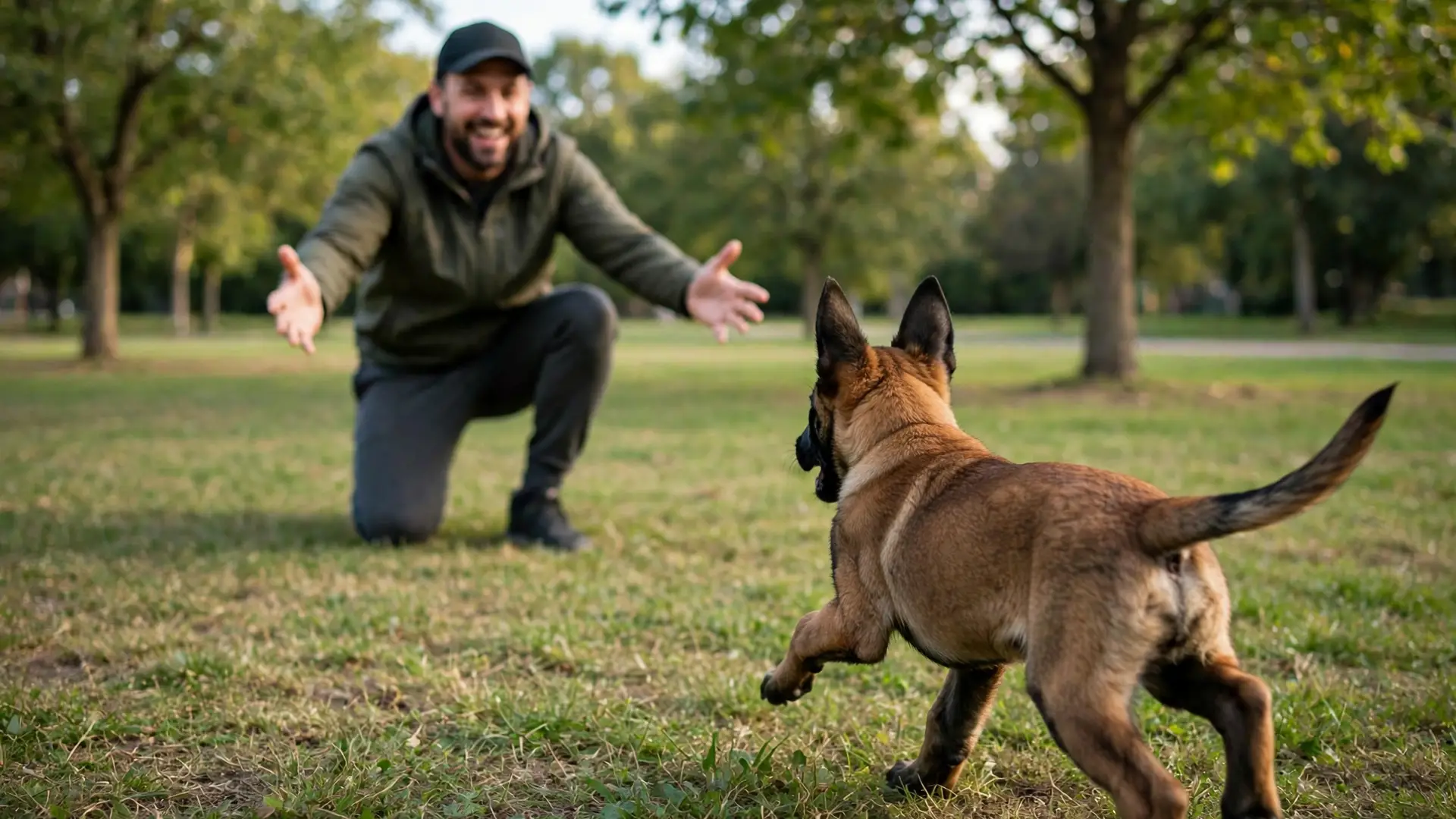
Offer toilet breaks after waking, eating, drinking, play, and active exploration. Reward success immediately and clean accidents without punishment. Keep introductions brief. Let the puppy approach at their own pace and make sure they can move away. Socialisation means creating positive experiences, not exposing a puppy to everything quickly.
Simple early training
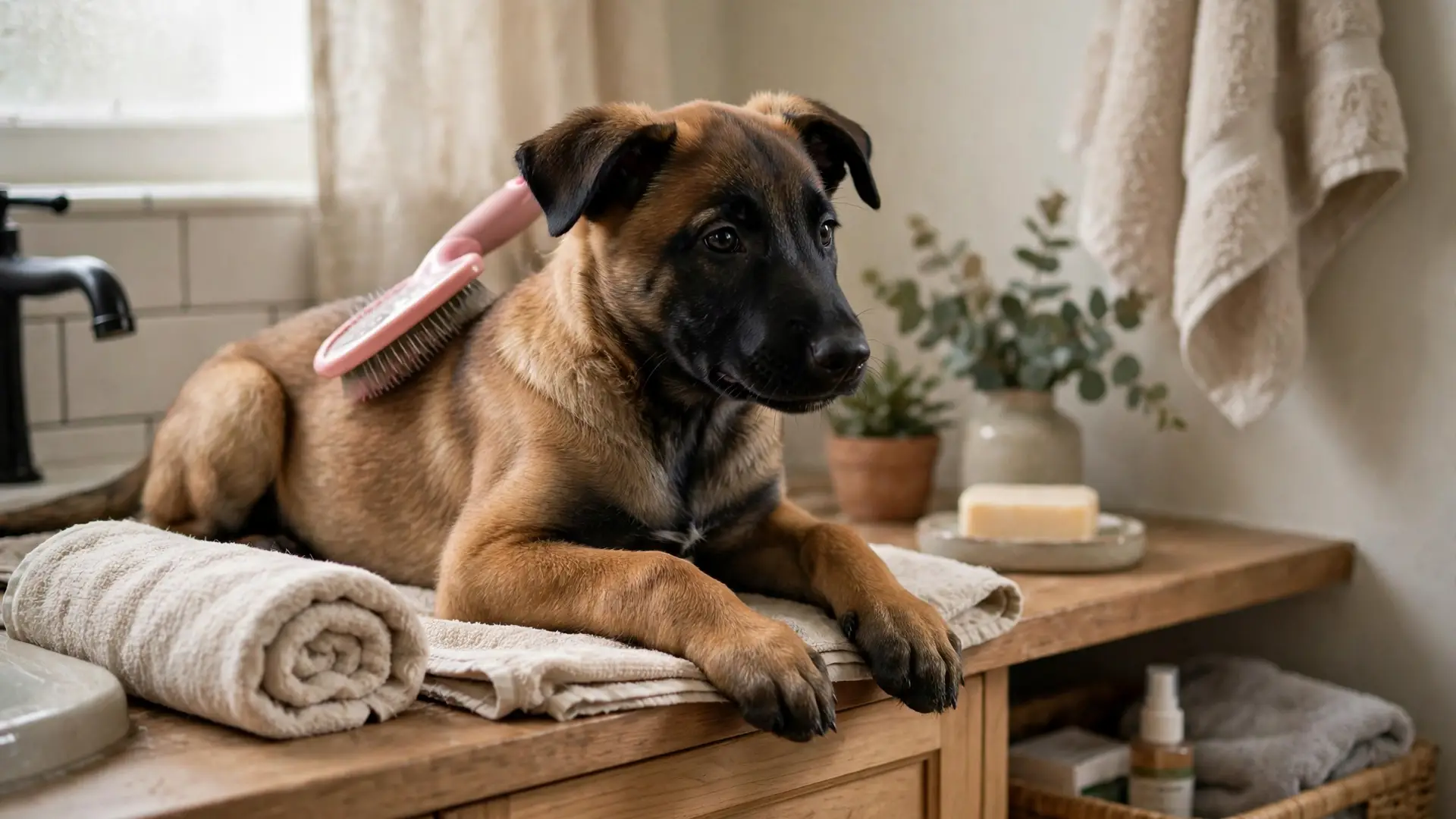
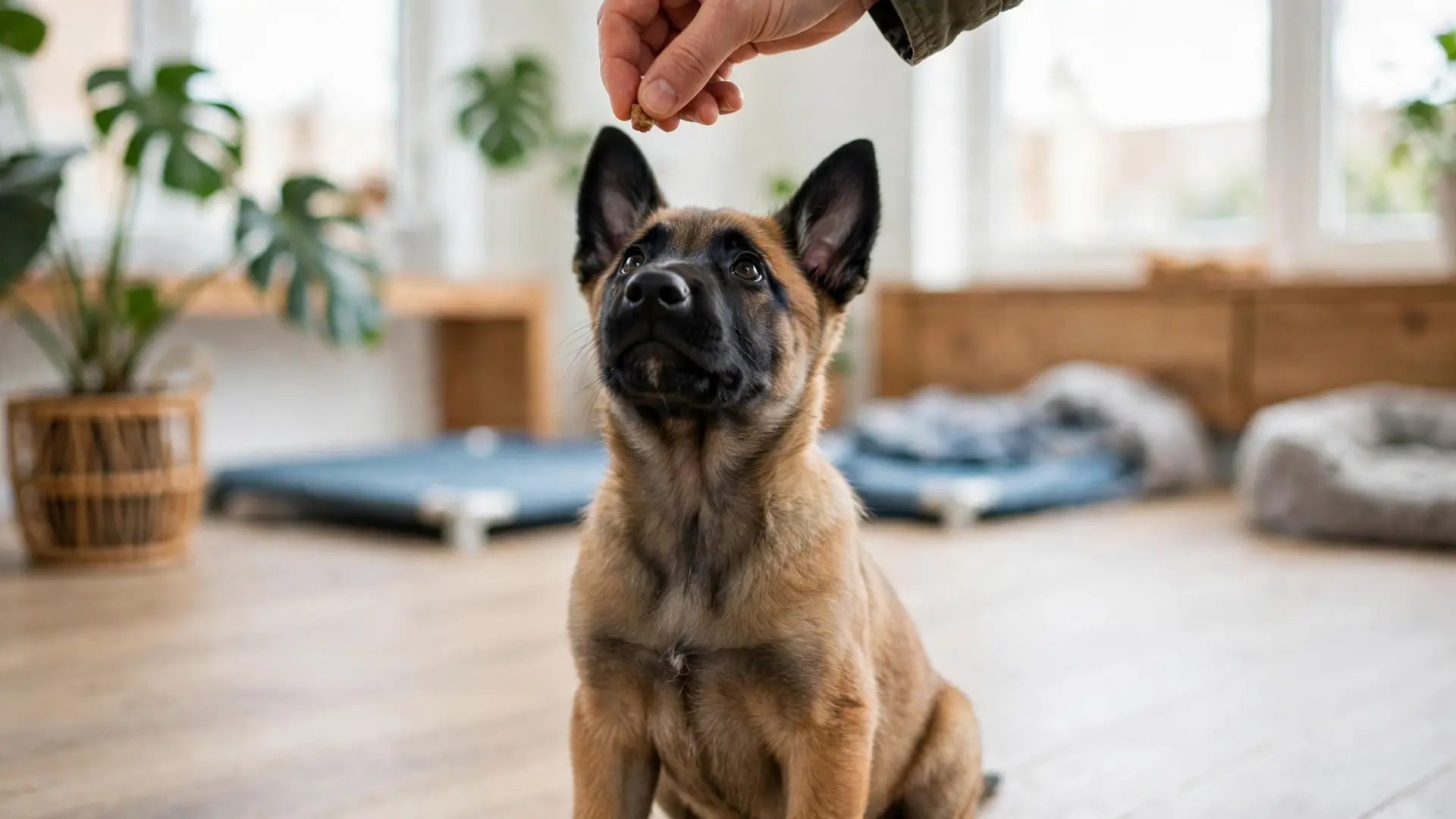
Reward behaviours you want to see again: checking in, settling, choosing a toy, and toileting in the correct place. Practise short handling sessions with paws, ears, and collar while watching for relaxed body language. Avoid overwhelming walks before your veterinarian confirms appropriate vaccination protection for your area.
Plan the first vet visit
Arrange a veterinary appointment soon after arrival and bring vaccination, parasite-treatment, and microchip records. Contact a veterinarian promptly for breathing difficulty, repeated vomiting or diarrhoea, unusual weakness, a swollen abdomen, suspected toxin exposure, pain, or refusal to eat with lethargy.
Keep expectations kind
The first week does not need to be perfect. Keep routines clear, experiences gentle, and goals modest. Trust grows through ordinary moments repeated consistently. This guide provides general education and is not a substitute for examination, diagnosis, or treatment from your veterinarian.