Why recall matters
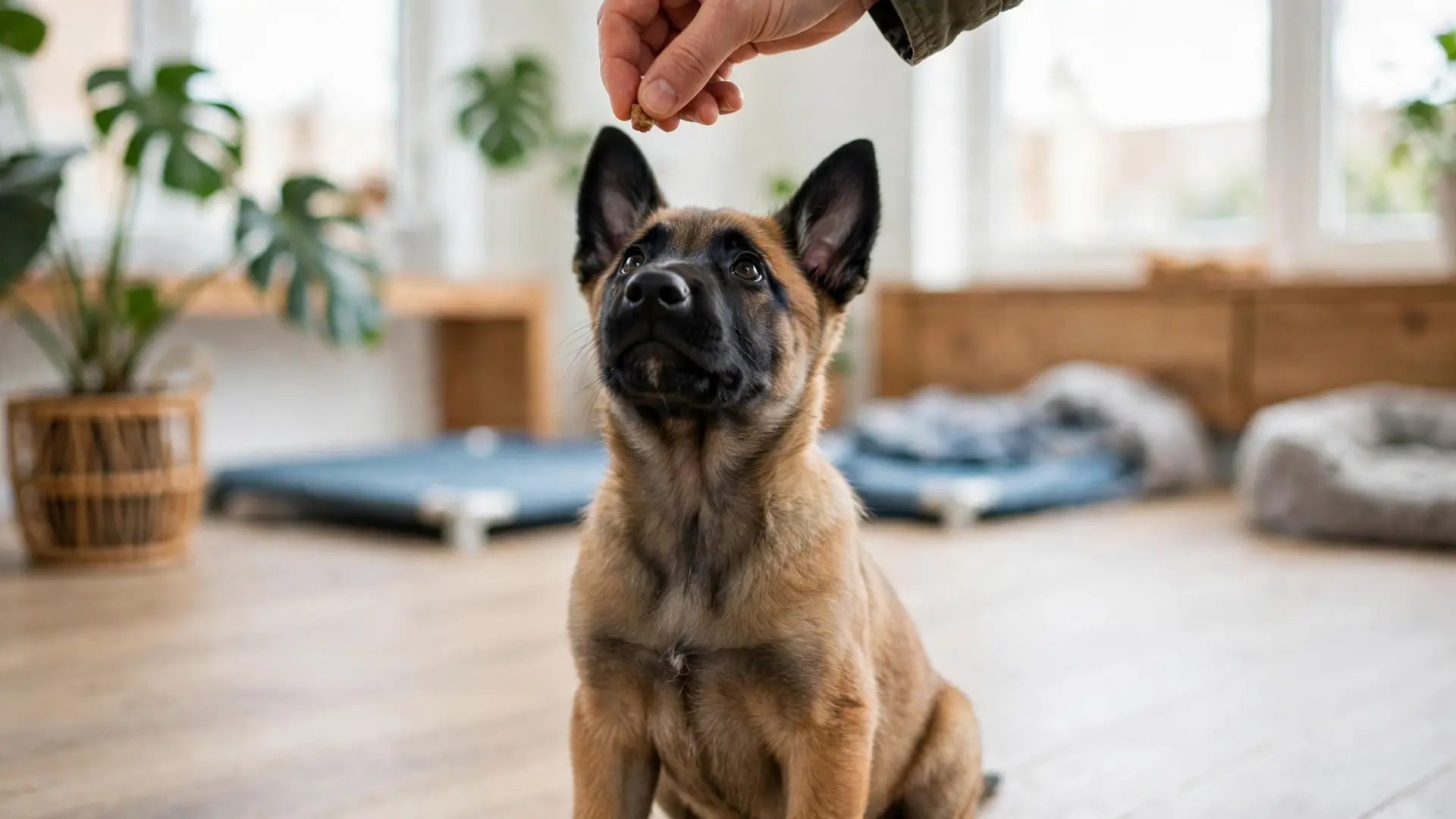
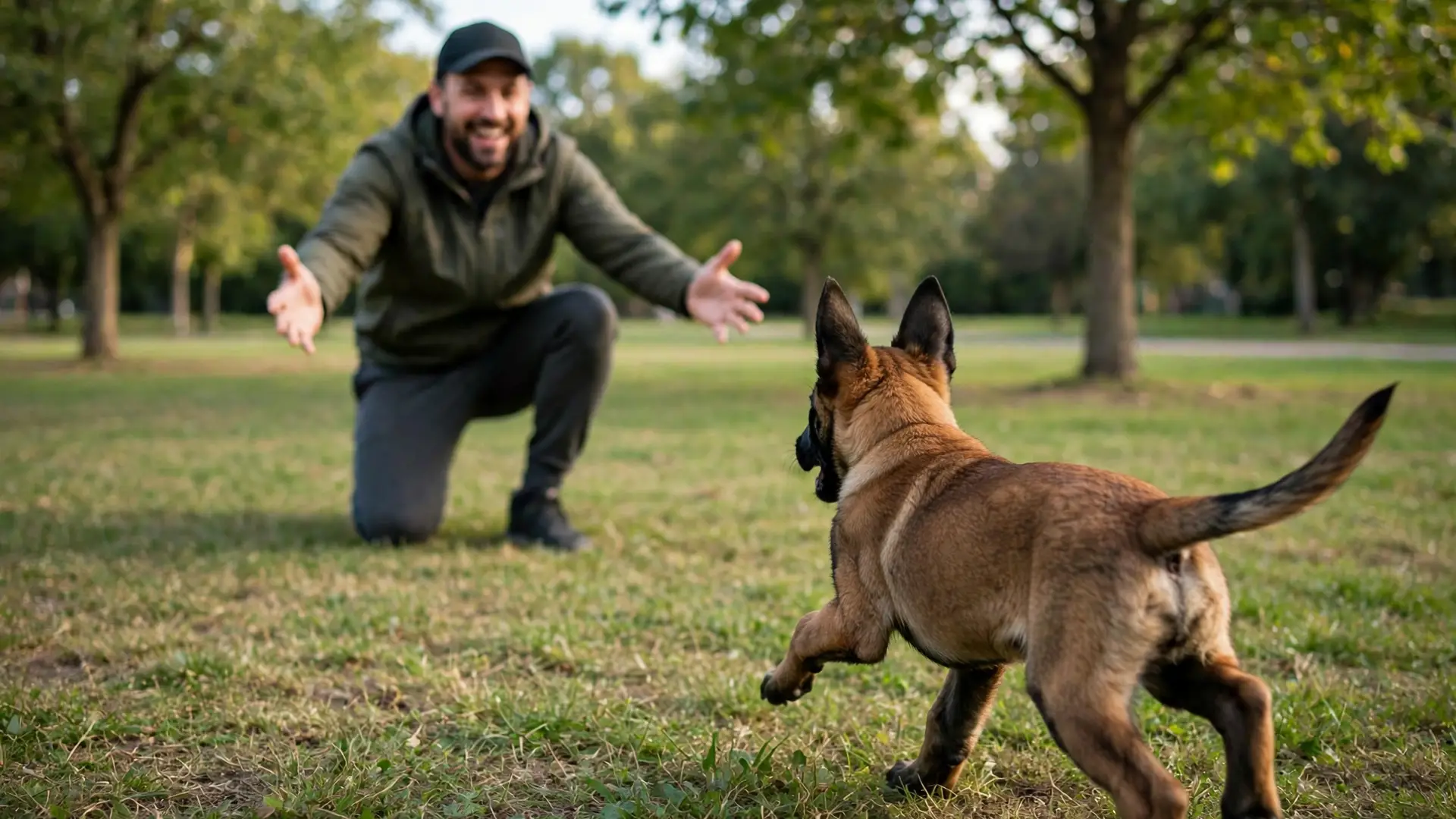
Recall is one of the most valuable skills a puppy can learn. Begin indoors, where distractions are low and success is easy. Choose one clear cue, prepare tiny high-value treats, and practise when your puppy is awake, comfortable, and interested. Say the cue once in a cheerful voice, move a few steps away, and reward your puppy when they follow.
Build value before difficulty
Keep early sessions to one or two minutes. Reward generously, then release your puppy to play again. Coming back should not always end the fun. Sometimes call, reward, touch the collar gently, and immediately allow another round of play. Increase only one challenge at a time: distance, duration, or distraction.
When your puppy does not respond
If your puppy does not respond, reduce the difficulty rather than raising your voice. Learning improves when puppies feel safe enough to think. Use a secure garden or a long training line attached to a well-fitted harness outdoors. Let the line remain loose; it is a safety tool, not something to jerk.
Protect the cue
Do not call your puppy for something they consistently dislike, such as ending play or having nails trimmed. Go and collect them calmly when needed. Never punish a puppy who eventually comes back. Punishment can make the next return slower and less likely. Reward every strong response with food, praise, play, or permission to sniff.
Expect temporary setbacks
Adolescence, new environments, tiredness, and exciting smells can temporarily reduce responsiveness. Return to easier practice and improve the reward. Reliable recall develops through hundreds of safe repetitions, not one long session. Until it is dependable, use secure spaces and appropriate leads.
Safety note
Stop if your puppy seems frightened, sore, or unusually reluctant to move. Sudden behaviour changes can have medical causes. This guide is educational and is not a substitute for veterinary advice, diagnosis, or individual support from a qualified force-free trainer.