What socialisation really means
Socialisation does not mean meeting every dog in the park. It means giving your puppy a wide range of positive early experiences: different people, sounds, surfaces, and sights, so the world feels safe and interesting. The sensitive window is roughly from three to fourteen weeks, so early, thoughtful exposures matter enormously. Done well, socialisation prevents far more problems than any later training can fix.
Quality over quantity
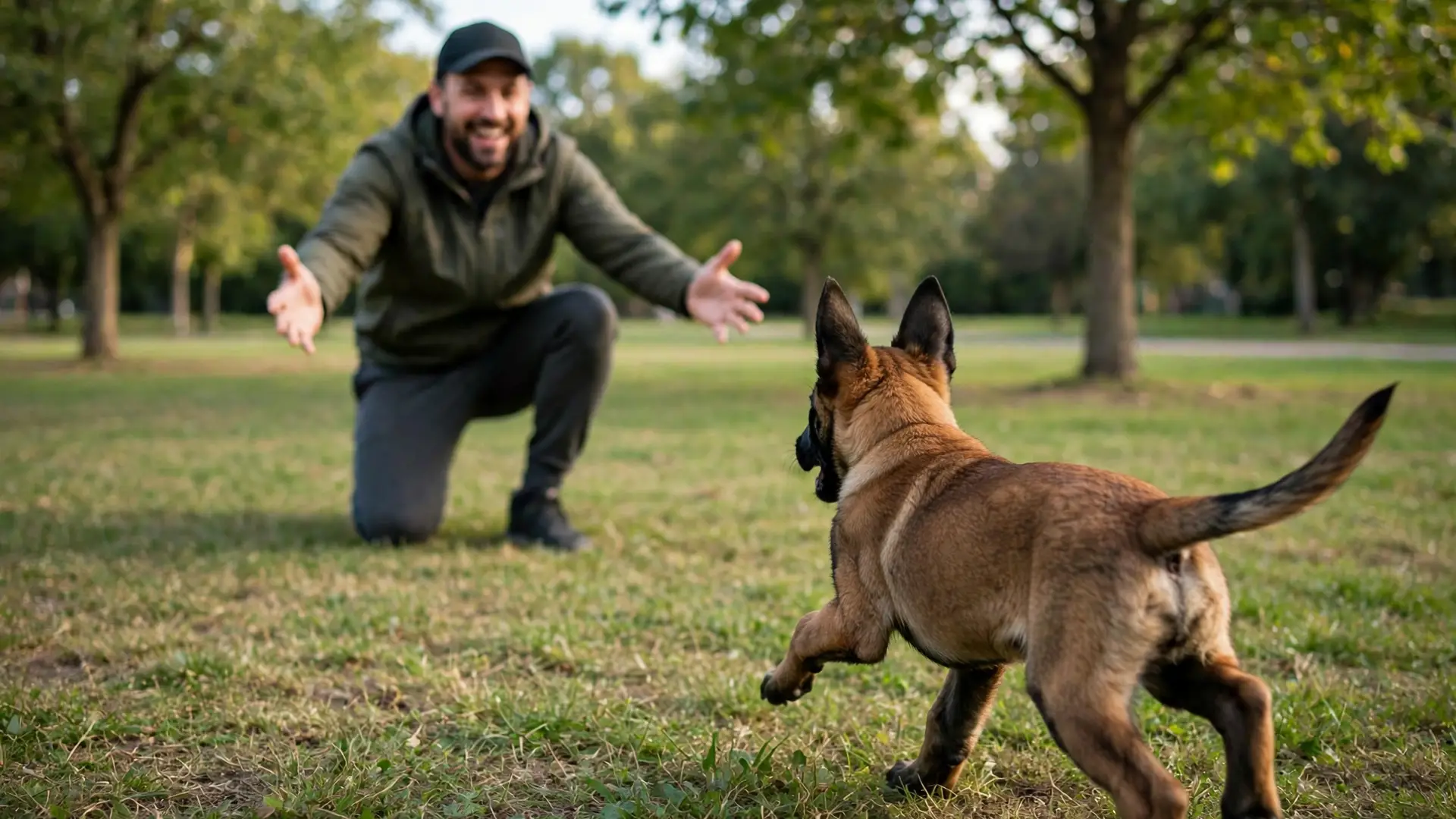
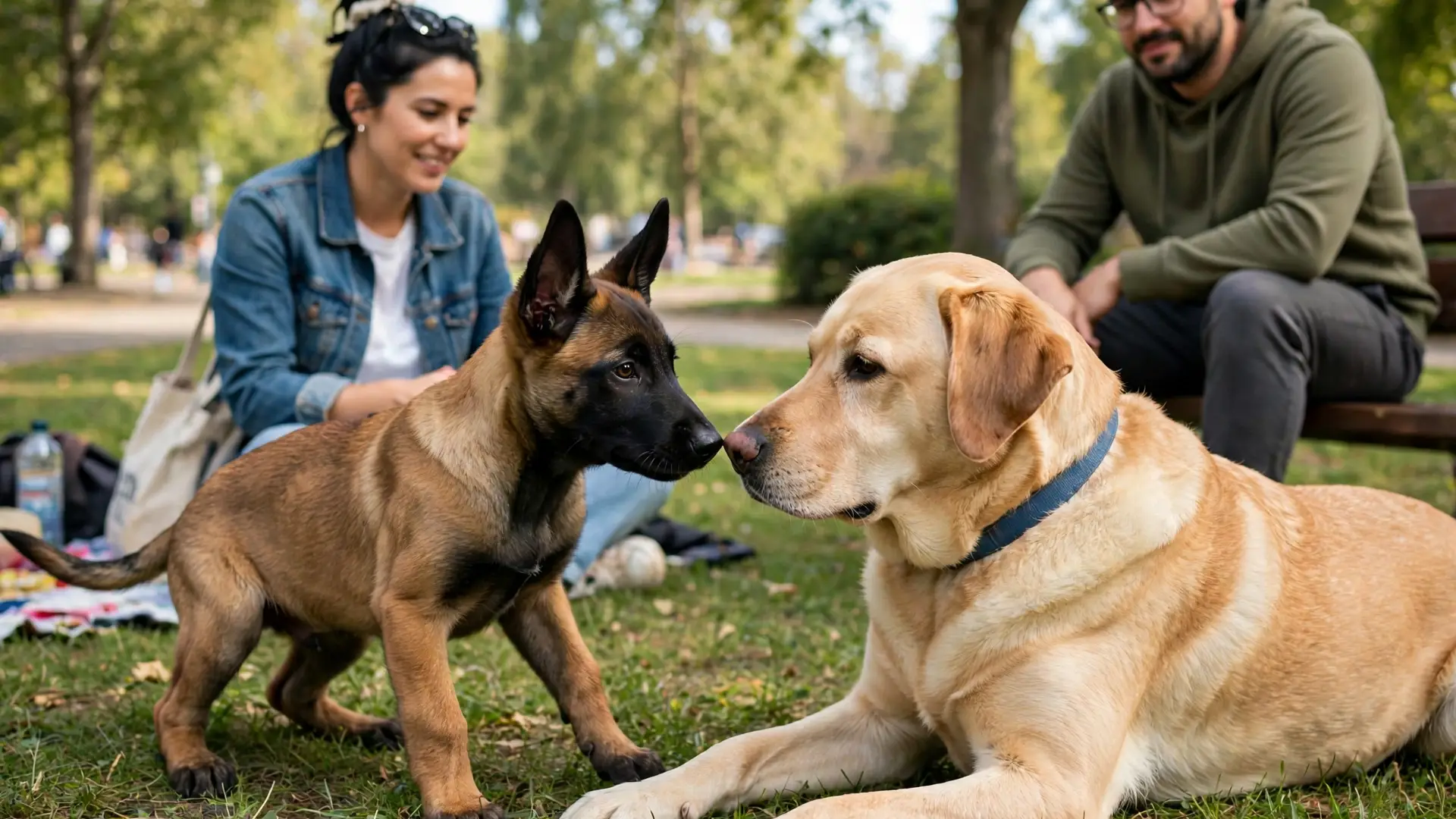
One calm, treat-filled encounter beats ten overwhelming ones. Watch your puppy’s body language: a loose body, wagging tail, and willingness to approach mean they are happy; a tucked tail, freezing, or hiding mean they need more distance. Let your puppy choose to approach new things, and pair each novelty with something delicious. Never flood a frightened puppy: move further away and try again another day.
What to include
Aim for variety: friendly people of different ages and appearances, gentle vaccinated dogs, household sounds like the vacuum and doorbell, different floor surfaces, umbrellas, traffic at a distance, and short car rides. Practise handling too: touch ears, paws, and mouth briefly, rewarding calm acceptance. Keep a little checklist on the fridge so the whole family can join in.
Before vaccinations are complete
Until your vet says it is safe, avoid ground where unknown dogs walk. Carry your puppy in your arms or a sling to see the world, visit friends with healthy vaccinated dogs, and use your own garden for safe exploration. Ask your vet about local disease risk and about well-run puppy classes that require vaccinations: the benefits of careful socialisation usually far outweigh the risks.
When your puppy is startled
If your puppy is startled, stay cheerful and matter-of-fact: your calm reaction teaches them there is nothing to fear. Jolly them past at a comfortable distance with treats, and revisit the scary thing later at an easier level. End every outing on a success, even a tiny one. Confidence is built from hundreds of small wins, not from one dramatic confrontation.
Vet disclaimer
This guide shares general information only and is not veterinary advice. Vaccination timing and local disease risks vary, so follow your own veterinarian’s guidance for your puppy. If your puppy shows persistent fear or anxiety, ask your vet for a referral to a qualified, reward-based behaviour professional.